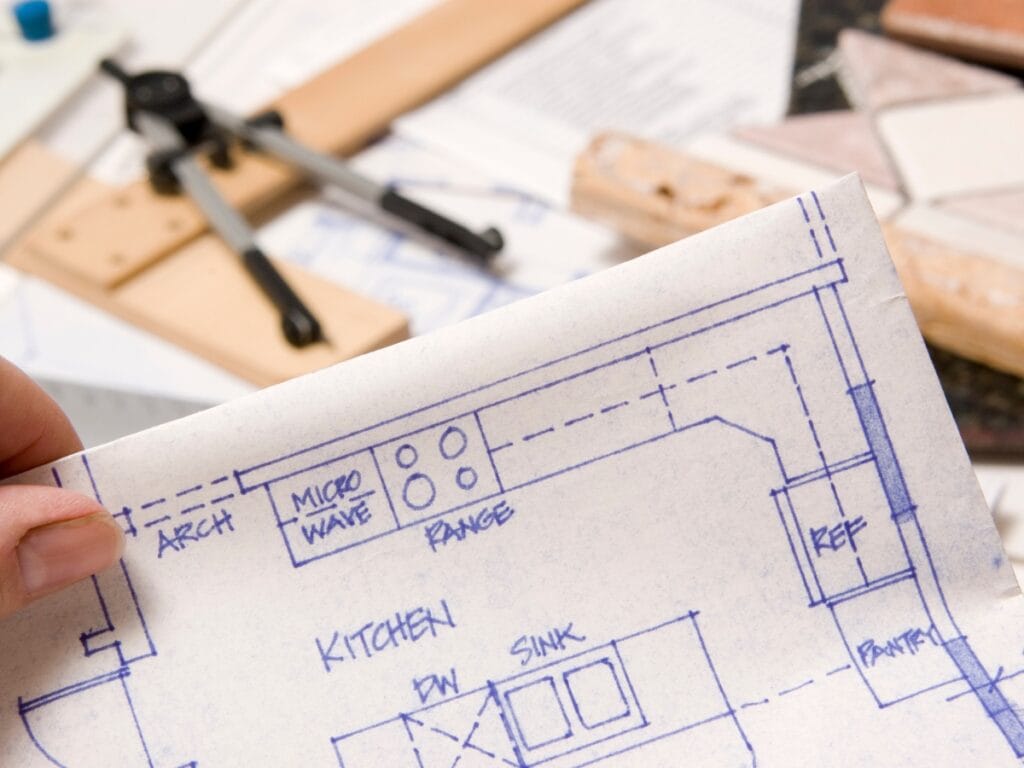

Creating a realistic, detailed budget is the single most important step in any successful home remodel, transforming your renovation dreams into a financially sound, actionable plan. Without a clear budget, projects quickly succumb to cost overruns, unfinished work, and unnecessary stress.
This step-by-step home remodel budget guide provides a proven framework for estimating costs, allocating contingency funds, prioritizing upgrades, and tracking expenses—empowering you to make confident decisions and achieve the home you want without breaking the bank.
The Home Remodel Budget Guide to Maximize Your Investment
Why A Home Remodel Budget Guide Matters

A remodel budget is more than a total dollar amount. It is the plan that keeps your project realistic, organized, and less stressful once work begins. A solid home remodel budget guide helps you make decisions early, before you are standing in a showroom trying to choose between options that all look good but do not all fit your price range.
When you know what you can spend, it is easier to focus on upgrades that actually improve how the home functions instead of getting pulled into expensive details that do not move the needle.
One of the biggest benefits of using a home remodel budget guide is that it forces you to set priorities. Most projects have a few non-negotiables, whether that is improving layout flow, upgrading worn-out finishes, or fixing underlying issues that have been ignored for years.
When you separate must-haves from nice-to-haves, you protect the parts of the remodel that matter most. This also makes it easier to adjust if pricing comes back higher than expected, since you already know what can be scaled back without sacrificing the goal of the project.
Budgeting also helps you compare contractor bids more fairly. Estimates can look very different even when two contractors are discussing the same room. Materials, allowances, scope details, and labor assumptions all affect the final number.
If your budget plan includes clear expectations for finishes and scope, you can compare bids based on what is actually included, not just the bottom line. That usually leads to fewer surprises later.
Another reason budgeting matters is change orders. Many change orders happen because decisions were not made early, or because the budget did not account for common cost drivers like layout changes or upgraded materials.
A good plan builds in breathing room so you are not forced into rushed choices when something unexpected comes up. That reduces delays and helps keep the project moving.
Finally, a budget helps you avoid overbuilding for your neighborhood. It is easy to keep adding upgrades once you start, but not every improvement translates into value.
A realistic spending plan helps you stay aligned with local expectations while still making the home better for daily living. It also keeps your cash flow predictable, whether you are paying out of pocket, using financing, or combining both.
Step 1: Define Your Remodel Goals And Scope
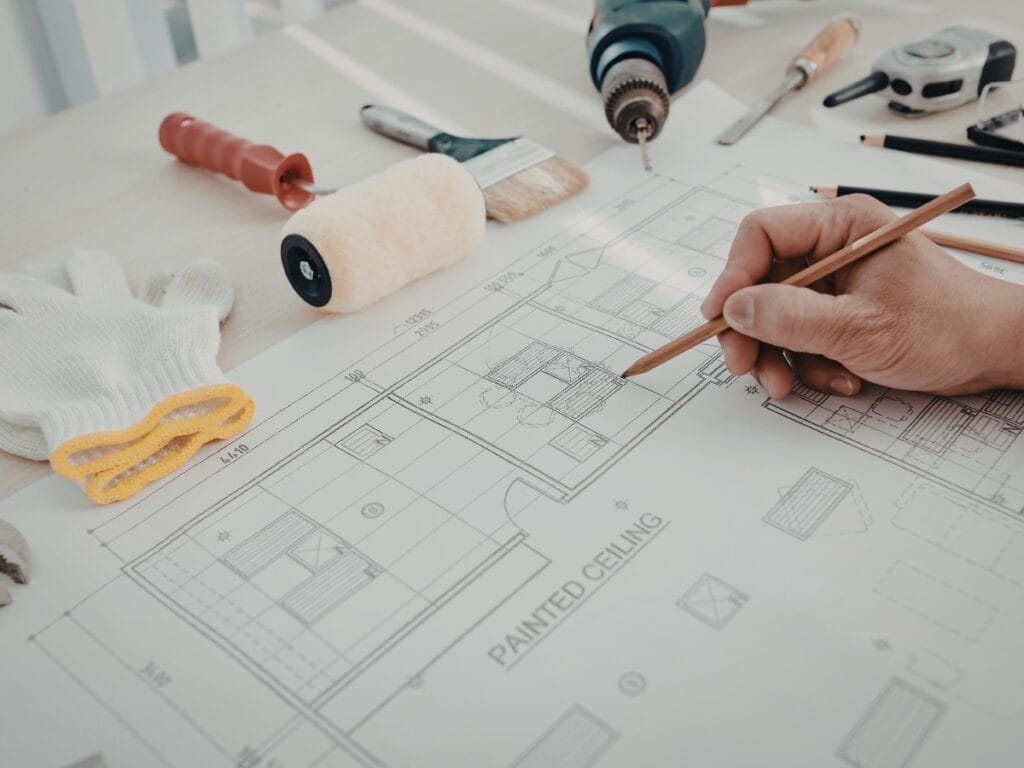
Before you start pricing materials or collecting bids, get clear on what you are actually remodeling. Most budget problems come from a vague plan that keeps expanding once the project is underway. A strong home remodel budget guide starts with scope, because scope determines everything else: labor, materials, timeline, permits, and how many surprises you are likely to face behind the walls.
List Your Must-Haves Vs. Nice-To-Haves
Start by separating needs from wants. This does not have to be complicated, but it does need to be honest. Must-haves are the issues that affect safety, function, or compliance, such as leaks, damaged subflooring, outdated wiring, poor ventilation, or a layout that does not work for daily life. These are the items that should stay in the plan even if you need to simplify finishes later.
Nice-to-haves are the upgrades that improve the look or add comfort, like premium tile, custom storage, upgraded fixtures, or higher-end appliances. There is nothing wrong with wanting those, but they should sit behind the essentials in your budget. When costs rise, nice-to-haves give you room to adjust without cutting into the core purpose of the remodel.
This step is one of the simplest ways to prevent scope creep. When you have priorities defined upfront, it is easier to say yes or no in the moment, and that is where a home remodel budget guide really earns its keep.
Decide The Level Of Remodeling
Next, decide what level of remodeling matches your goals. A cosmetic refresh usually focuses on surface updates like paint, hardware, lighting, and flooring. It can make a big difference without changing the bones of the room, which typically helps keep costs and downtime manageable.
A mid-level remodel goes further by replacing major finishes like cabinets, countertops, or tile, and it may include limited layout tweaks. This is where the budget starts to depend heavily on material selections and the amount of demolition involved.
A full remodel often includes moving plumbing or electrical, changing walls, or reworking the layout for better function. Once you are altering systems, the scope needs to be very clear because small changes can trigger additional work.
A whole-home renovation combines multiple rooms and may include larger system upgrades like HVAC, windows, or a roof. The planning is more complex, but defining scope early still applies. The clearer your plan, the more accurate your timeline and budget will be.
Step 2: Research Realistic Cost Ranges

Online averages are useful for getting oriented, but they are not a substitute for real numbers tied to your home and your market. The total cost of a remodel depends on square footage, material choices, local labor rates, and how complex the work is once demolition starts.
In this part of your home remodel budget guide, the goal is to turn general ideas into a realistic range you can plan around, not a single perfect number.
A helpful way to start is to price your project in layers. Begin with the basics required to make the space functional and code-compliant, then add the finish level you actually want, then include a cushion for surprises. When you do it this way, you can see what is driving the total and where you have flexibility if bids come in higher than expected.
Use Cost Per Square Foot Carefully
Cost per square foot can be a decent benchmark, but only if you treat it like a rough reference point. Different rooms carry different price tags because they involve different types of work.
Kitchens and bathrooms typically cost more per square foot because they include plumbing, electrical, ventilation, cabinetry, tile, and appliances or fixtures. By comparison, bedrooms and living areas often stay lower because the updates are usually paint, flooring, lighting, and trim.
The other reason cost per square foot can mislead people is that small spaces can be expensive. A compact bathroom can cost more per square foot than a larger bedroom because the materials are more specialized and the labor is more detailed.
Use cost per square foot to compare rough scenarios, then shift to line-item thinking once you start gathering estimates. That step is what keeps a home remodel budget guide from turning into guesswork.
Match Your Budget To Neighborhood Value
It also helps to zoom out and look at your neighborhood’s pricing reality. As a general planning rule, you do not want to spend far beyond what the local market can support if resale matters to you. This does not mean you should avoid renovations. It means you should prioritize upgrades that improve function and durability first, then choose finishes that fit the price point of surrounding homes.
A practical approach is to look at a handful of recent sales in your area and pay attention to what buyers are actually paying for. Updated kitchens, bathrooms, and layouts tend to matter, but the most expensive materials do not always produce a matching return. When your scope and finish choices line up with neighborhood value, you reduce the risk of overspending while still ending up with a home that feels improved and livable.
Step 3: Build A Line-Item Budget (Not A Single Number)

A remodel budget works best when it is broken into clear categories, not treated like one big pot of money. A line-item approach shows you where costs are coming from and makes it easier to adjust without losing control of the whole project. This step is a cornerstone of any home remodel budget guide because it turns vague estimates into a plan you can actually manage.
Instead of asking, “What will the remodel cost?” you are asking, “What are the pieces, and what is each one allowed to cost?” That shift matters, especially once decisions start piling up. Swapping tile, upgrading fixtures, or changing cabinet layout can feel small in the moment, but those choices add up fast when they are not tied to specific line items.
Common Budget Categories To Include
Start by mapping out the major phases of work. You may not need every category on every project, but building the list up front keeps you from missing costs that show up later. Most remodels include planning and design work, permits and inspections, demolition and disposal, framing or carpentry as needed, and the core trades like plumbing, electrical, and HVAC.
From there, you move into drywall, paint, flooring, cabinets or vanities, countertops, tile and waterproofing, fixtures like faucets and lighting, finish carpentry such as baseboards and doors, and then cleanup and the final punch list.
One detail that helps keep the numbers honest is how you handle allowances. If a contractor uses an allowance for something like tile or lighting, treat it as a placeholder, not a guarantee. Track those allowances the same way you would track real purchases, because going over in several areas at once is one of the easiest ways to blow past your budget.
Example Budget Framework
Once your line items are listed, you can sanity-check the whole plan by grouping costs into broader buckets. Many projects fall into a range where labor and trades take the largest share, materials and finishes come next, then permits and design, followed by a contingency.
The exact percentages will move depending on the scope and finish level, but the main idea holds: every remodel needs room for labor, materials, planning, and surprises.
The contingency is where a lot of budgets fail, usually because it gets skipped or set too low. A realistic cushion protects you from hidden issues, price changes, and small plan adjustments without forcing you into rushed decisions. Keeping that cushion in place is what makes a home remodel budget guide feel steady instead of stressful once the work begins.
Step 4: Add A Contingency (Your Budget Safety Net)

A contingency fund is not a “nice to have.” It is the part of your budget that keeps the project moving when real life shows up. Even well-planned remodels can uncover issues once walls are opened or old flooring comes up. A solid contingency helps you handle those surprises without cutting corners, delaying the schedule, or making rushed decisions you regret later. In any home remodel budget guide, this step is what turns your budget from optimistic to realistic.
Think of contingency as money reserved for the unknown, not money you plan to spend on upgrades. If you do not need it, great. If you do, you will be glad it is there. The goal is stability, not perfection, because most projects have at least one moment where the original plan meets the actual condition of the home.
How Much Contingency Should You Set Aside?
The right amount depends on the scope and the age of the house. If you are doing a straightforward cosmetic update, like paint, fixtures, or surface-level finishes, a contingency of about ten percent is often enough. For mid-level remodels that involve cabinets, tile, or partial layout adjustments, fifteen percent gives you more breathing room. For older homes, structural changes, or projects where you are moving plumbing or electrical, planning closer to twenty percent is usually the safer call.
Those ranges are not meant to scare anyone, they simply reflect how risk changes as projects get more complex. The more you alter systems behind the walls, the more likely you are to run into things that were hidden for years. A contingency allows you to deal with problems the right way instead of patching them to stay on budget.
Some of the most common surprises include hidden water damage, outdated wiring, framing issues, and code upgrades that are triggered once work begins. You might also find uneven subfloors, old venting that needs to be corrected, or plumbing that was installed in a way that no longer meets current standards. None of these problems are rare, which is why a contingency is a core piece of a responsible plan.
If you want your home remodel budget guide to actually protect you, treat contingency as part of the budget from day one, not as an extra you will “figure out later.”
Step 5: Decide How You’ll Pay For The Remodel

How you fund a remodel shapes almost every other decision you make, from your timeline to how you compare bids. A cash-funded project can move faster because you are not waiting on lender approvals, but it also requires discipline.
You do not want to drain your savings so completely that a car repair or medical bill turns into a crisis. One of the most practical takeaways in any home remodel budget guide is that remodel money and emergency money should not be the same pile of cash.
If you plan to pay from savings, it helps to set clear limits early. Decide what you are comfortable spending, then keep a separate reserve untouched. That reserve is not the same thing as your remodel contingency. The contingency is for surprises inside the project. Your emergency fund is for life happening at the same time as the project.
Home equity options are common because they give you access to funds while spreading payments over time. A home equity loan is typically a lump sum, which can work well if the scope is clear and you want predictable payments.
A HELOC is more flexible because you can draw funds as needed, which is helpful if the remodel is happening in phases or the timeline is longer. Either way, it is worth understanding how interest rates and repayment terms will affect your monthly budget.
Some homeowners look at a cash-out refinance when they want to roll the remodel cost into a single mortgage payment. Depending on rates, that payment could be lower, higher, or about the same. The key is to run the math carefully and think long-term, not just about what feels manageable during the remodel itself.
Renovation loans can be useful when you need a structured way to fund improvements, especially when a lender requires certain documentation or inspections along the way. The tradeoff is paperwork and a more defined process, which can slow the start of a project. The upside is that it can help keep spending organized because the loan often ties funds to project milestones.
Credit cards can be fine for small purchases you can pay off quickly, like hardware or a light fixture, but they get expensive fast if you carry a balance. If you go this route at all, treat it as a short-term tool, not a funding plan.
The bottom line is that your funding choice should match your risk tolerance and your cash flow. A good home remodel budget guide does not just tell you what things cost. It helps you choose a payment approach that keeps the project moving without putting the rest of your finances under pressure.
Step 6: Get Estimates And Compare Bids The Right Way
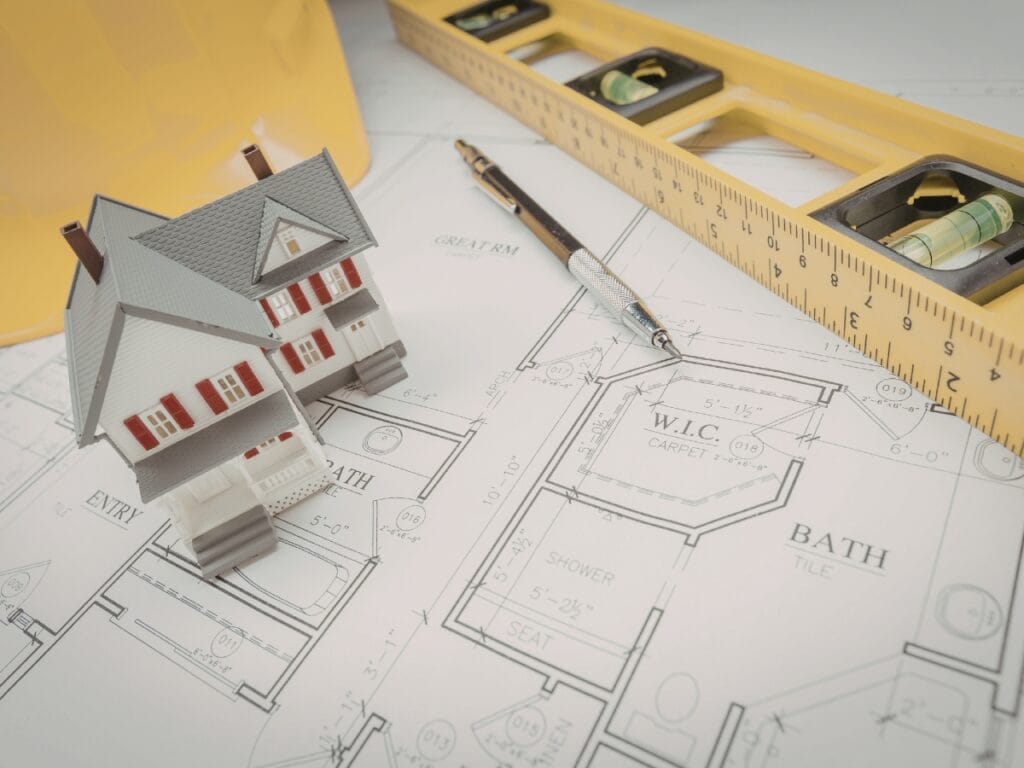
Getting multiple estimates is one of the most important steps in any home remodel budget guide, but only if you compare bids on the same terms. A low number can look attractive at first glance, yet it may not include demolition, disposal, permits, or even basic finish expectations.
When those missing pieces show up later, the “cheap” bid often becomes the one that costs the most through change orders and delays.
What To Ask Contractors For In A Bid
A solid bid should read like a plan, not a rough guess. Start by asking for a clear scope of work that lists what will actually be done in each area of the project. Vague phrases like “update bathroom” or “kitchen remodel” do not help you understand what is included, so push for details such as what is being removed, what is being replaced, and what stays.
You will also want material allowances spelled out. If the bid assumes entry-level fixtures while you are picturing higher-end finishes, you will not get an accurate price. Ask what brands or quality level the allowance is based on, and whether it includes items like trim, hardware, and delivery.
A timeline matters, too. Even if dates shift, a professional bid should give a realistic schedule and a payment structure tied to milestones, not just a large deposit and a vague promise.
Finally, ask two questions that protect your budget: what warranty is included, and what is excluded. Exclusions are not always a red flag, but they need to be clear so you can plan for them.
Apples-To-Apples Bid Comparison Checklist
Once bids are in, review them side by side and confirm they match on scope and finish level. This is where homeowners often get tripped up, because one bid may include painting, trim, and cleanup while another stops at installation.
Check that each contractor is pricing the same number of fixtures, outlets, and lights, especially in kitchens and baths where small counts add up quickly.
Make sure demolition, hauling, and final cleanup are included, since these costs can be significant. Permits are another common gap. Confirm who is pulling permits, who is paying for them, and whether inspections are included in the schedule.
If possible, ask for labor and materials to be separated so you can see where the money is going and spot big differences quickly.
A careful review process keeps surprises to a minimum and helps you choose based on value, not just the bottom line. It is a simple step, but it makes a home remodel budget guide far more useful in real life.
Step 7: Plan For Hidden Costs Most Homeowners Miss

A realistic home remodel budget guide does more than price out cabinets, tile, and labor. It also accounts for the smaller, less obvious expenses that show up once the project is underway.
These costs are easy to overlook because they are not always listed in contractor bids, and they often depend on how your home functions during construction. Planning for them upfront helps you avoid last-minute decisions that can strain your budget and slow the timeline.
One of the biggest hidden costs is simply living through the remodel. If your kitchen is out of commission, you may end up spending more on meals than you expect, even if the renovation only lasts a few weeks.
Some homeowners also choose a short-term rental or hotel during disruptive phases, especially when plumbing is shut off or when dust and noise make daily life difficult. If you plan to stay elsewhere, factor in pet boarding, extra commuting, and any deposits tied to temporary housing.
Storage is another budget line that sneaks up on people. Even if you are only remodeling one area, furniture and personal items still need somewhere safe. Portable storage containers and storage units can add up quickly, particularly if the schedule extends.
Utility-related charges are also worth flagging early. Depending on the scope, you might run into reconnect fees, service upgrades, or inspection requirements tied to electrical or gas work.
Older homes can bring additional surprises once walls and floors are opened. Subfloor leveling, framing repairs, and water damage are common reasons budgets change midstream. Mold remediation can also come up unexpectedly, especially in bathrooms, basements, or areas with older plumbing.
Even if the issue is limited, proper cleanup and containment can be expensive, and it is not always included in the original estimate.
Inspections are another item that homeowners do not always plan for. A sewer scope, a structural review, or a specialist inspection may not be required for every project, but they can prevent expensive mistakes.
Finally, do not forget the “paper cut” costs that add up across a remodel, such as delivery fees, return shipping, and restocking charges for items that arrive damaged or were ordered incorrectly.
When you build these categories into your home remodel budget guide, you are less likely to burn through contingency funds on predictable expenses. The goal is not to overcomplicate your budget, but to make it strong enough to handle real-world remodeling.
Step 8: Control Costs During The Remodel

A solid plan is only the beginning. Once demolition starts and trades are scheduled, cost control becomes an everyday job, even on smaller projects.
The most useful home remodel budget guide is the one you keep using during the remodel, not the one you set aside after the first estimate. The goal is simple: keep decisions organized, limit surprises, and make sure every dollar spent matches the outcome you want.
Lock Decisions Early
One of the fastest ways a remodel gets expensive is when key selections are still up in the air after work begins. If finishes, fixtures, and materials are chosen late, you can run into rush shipping, limited inventory, or backorders that stall progress.
When the schedule gets squeezed, substitutions often follow, and those swaps can change pricing in ways that are hard to control. Locking decisions early does not mean rushing through them. It means setting clear deadlines for selecting items like tile, plumbing fixtures, lighting, and paint so your contractor can order on time and keep labor moving.
It also helps to confirm what is already included in the estimate versus what is an allowance. If an item is listed as a placeholder, you will want to decide quickly whether you are staying within that number or upgrading, so you do not get surprised later when invoices start coming in.
Use A Change Order Rule
Changes happen, but they should never be casual. A simple rule keeps the remodel from drifting: if it is not documented, it is not approved. Any adjustment, whether it is moving a light, swapping a vanity, or adding a niche to the shower, should come with a clear price impact and a clear timeline impact. That way, you are not guessing whether the change affects completion dates, material availability, or labor sequencing.
Even small changes can stack up quickly. This is one of the most important rules in any home remodel budget guide, because it protects you from death-by-a-thousand-upgrades and keeps expectations clear on both sides.
Track Spending Weekly
Weekly tracking is what turns a budget into a tool. You do not need complicated software. You just need a simple system that shows your original line item budget, what has been paid so far, what remains, and any notes that explain what is happening. Those notes matter because they capture things like backorders, returns, credits, or replacements that can change the final cost.
When you review spending regularly, you can catch problems early and make smarter adjustments. Instead of reacting at the end, you stay in control while the remodel is still in motion.
Step 9: Balance Quality Vs. Cost (Without Regrets)

At some point in every renovation, the budget starts to feel like a series of trade-offs. That is normal. The goal of a good home remodel budget guide is not to push you toward the most expensive choices, but to help you spend in the places that protect the project and scale back in areas that are mostly cosmetic. When you approach upgrades this way, you are less likely to second-guess decisions later.
Where To Spend
The smartest place to invest is anything that is difficult to access once the work is finished. Waterproofing is a good example. In bathrooms, especially around tiled showers and tubs, failures can lead to leaks, mold, and repairs that cost far more than doing it right the first time.
If your remodel includes plumbing work, prioritize shutoff valves and other behind-the-wall components that affect reliability. You may not see them, but you will feel the difference when the system works the way it should.
Structural repairs also deserve priority. If framing needs attention, a subfloor is uneven, or there are signs of moisture damage, those fixes should come before upgrades like decorative tile or high-end hardware. The same goes for professional installation on complex items.
Poor installation can ruin good materials and create ongoing headaches. Paying for experienced labor in critical areas often prevents callbacks, delays, and avoidable repairs.
If you are planning to stay in the home long term, cabinet construction quality is another area worth considering. Stronger boxes, better hardware, and drawers that glide smoothly hold up under daily use and make the space feel solid for years.
Where You Can Save
There are also plenty of places to save without compromising the end result. Tile is a common one. Standard sizes are often more budget-friendly because they require less cutting and install faster, which can reduce labor.
You can also look for mid-range fixtures that are well-made and backed by solid warranties. Many options perform just as well as premium brands, especially in everyday-use bathrooms and kitchens.
In the right layout, stock cabinets can be a practical choice, particularly when the design does not require unusual dimensions or custom storage solutions. You can put the savings toward installation quality or a countertop that upgrades the whole room.
Finally, do not underestimate small updates that change the feel of a space. Fresh paint, updated lighting, and cleaner trim details can create a noticeable improvement without the price tag of major structural changes.
A realistic home remodel budget guide helps you separate the upgrades that protect the home from the upgrades that simply add flair, so you can choose both with confidence.
FAQs: Home Remodel Budget Guide

What Is A Realistic Budget For A Home Remodel?
A realistic budget depends on the size of the home, which rooms you are updating, and how far you plan to take the work. A surface-level refresh has a very different cost range than a project that involves moving walls or updating plumbing and electrical.
Instead of relying on online averages, use a home remodel budget guide approach and build a line-item plan that reflects your actual scope. When you can see where the money goes, you can make smart trade-offs without guessing. It is also wise to include a contingency so normal surprises do not derail the project.
How Much Should I Set Aside For Unexpected Remodel Costs?
Most remodels benefit from a contingency in the ten percent to twenty percent range, depending on complexity. If you are working in an older home or opening up walls, plan closer to the higher end because hidden issues are more common.
Things like outdated wiring, small leaks, subfloor problems, or code updates can show up once demolition begins. A home remodel budget guide is not complete without this buffer, because it keeps you from making rushed decisions if something unexpected appears mid-project.
Should I Get Multiple Contractor Bids?
Yes, comparing bids helps you understand the local market and spot pricing that seems unusually high or low. The key is making sure you are comparing the same project each time. If one bid includes demolition, disposal, and permit management and another does not, the lower price may not be a better deal.
Ask each contractor to clarify what is included, what is excluded, and what assumptions were made about materials and finishes. That way, you are comparing real scope, not just a final number.
What Is The Biggest Cause Of Going Over Budget On A Remodel?
The most common reason is scope creep, which happens when the plan changes after work starts. This can look like upgrading finishes, adding features, or adjusting layouts once you see the space opened up.
Even small changes can add up when they affect materials, labor, and timeline. A clear written scope and a simple change order process help protect your budget, because every change is priced and approved before it becomes work in progress.
Can I Remodel In Phases To Reduce Costs?
Phasing can make a remodel more manageable, especially if you are updating several rooms or working around daily life at home. It can also help spread out spending over time. The trade-off is that repeating set-up, permits, or labor mobilization can increase total cost in some cases. The best strategy is to group work that shares the same trades and disruption, so you are not paying for the same steps multiple times.
Build a Remodel Budget You Can Trust
A realistic budget is the foundation of a successful renovation. When you follow this home remodel budget guide, you’ll set a clear scope, plan for contingency, compare bids correctly, and stay in control through every phase of construction.
If you want expert help building a remodel plan that aligns with your goals and your budget, contact, Construction Atlanta Company & Investments is here to help. OOur team can help you define scope, create accurate allowances, and make confident decisions that keep your project on track.
Contact Construction Atlanta Company & Investments today by giving us a call at 123-456-7890 or get a free quote and start planning your home remodel with confidence.